Travel Guides & Tips in this video
- Tip 1Wear light clothing, carry water, and bring sun protection to handle the desert heat while exploring the earth-carved city. (00:20)
- Tip 2Allocate time to walk through the northern residential zone and central administrative district to understand how the city was zoned. (04:50)
- Tip 3Respect the temple areas; photography may be allowed from outside while interiors can be restricted. (06:45)
- Tip 4Visit Tu York Village in the shoulder season to observe Uyghur life and perhaps arrange a stay in a traditional home stay as rebuilding continues. (10:50)
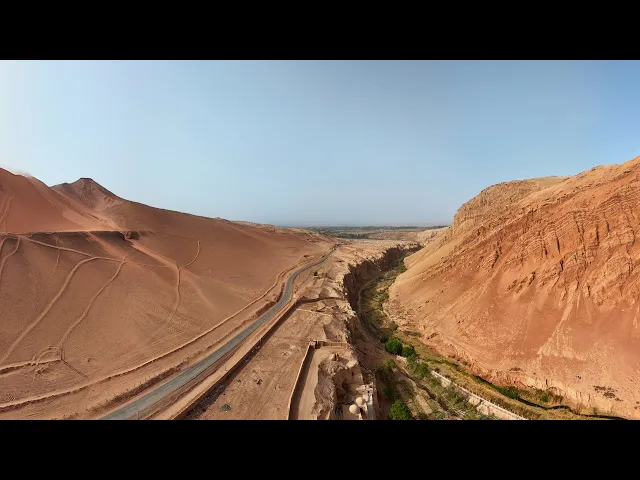
Wilko Wanders takes us along a stretch of China’s ancient Silk Road to Turpan, where the superlatives start piling up. He steps into the Jiaohe ruins, a 2,300-year-old city carved into the earth itself, sitting in the Tarim Basin and a striking 154 meters below sea level. This is not a city built with bricks but etched into earth, with roads carved into the ground and a compact, rammed-earth construction that adapts perfectly to the desert’s heat and dryness. Wilko explains the city’s unique layout, with residential zones to the north, government buildings in the center, and religious sites to the south, all connected by sunken streets and a natural fortress formed by nearby cliffs. He highlights how the site was a Silk Road outpost and a military capital, shielded by its cliff walls and the single entry point, which lent security and control in a wary desert frontier. The narrative threads through the urban planning that allowed the settlement to thrive in harsh conditions, including
Next travel video: ( 14 / 16 )
More about the current video:( 13 / 16 )

Wilko wanders along China’s ancient Silk Road, arriving at the earth-carved city of Jiaohe, a 2,300-year-old settlement buried into earth rather than built upon it. The city, sitting about 154 meters below sea level, stretches in a T-shaped layout across a plateau fashioned by natural rivers and dry desert heat. He notes how streets were carved into the ground, homes shaded for cooler air, and how the site functioned as both a bustling Silk Road hub and a strategic military outpost during the Han and Tang dynasties. The city’s natural fortress walls formed by 30-meter-high cliffs created a strong defense with a single entry. Wilko explores the warehouse district and the Buddhist monastery complex nearby, emphasizing how the Silk Road spread Buddhism and cultural exchange from India to Central Asia into China. He visits Sukon Minet, the tallest ancient minouret in China, a 44-meter sundried-brick tower linked to a mosque, and reflects on the multiethnic history visible in architecture. Tu York Village, damaged by a 2008 earthquake, shows resilient rebuilding in a living village that preserves Uyghur culture. The day closes with sunset views over mountains and a hopeful note about future visits when the site will be more vibrant and accessible. Throughout, Wilko emphasizes the ingenuity of ancient builders and the beauty of witnessing history in a desert landscape that remains a living travel story for those who slow down and connect with locals.
FAQs (From the traveler's perspective)
- Q: What makes Jiaohe unique?
- A: It’s carved directly into the earth, making it one of the world’s most unusual ancient cities and a remarkable example of rammed-earth construction adapted to a desert climate.