Travel Guides & Tips in this video
- Tip 1 Observe how ancient mud-brick style is preserved in rebuilt structures with brick façades for safety. (04:08)
- Tip 2 Respect the central role of the Id Kah Mosque; witness open cultural and religious expression in a tourist-friendly setting. (08:41)
- Tip 3 Shop for traditional hats and garments on the handicraft street; try local snacks like naan and sachima to connect with daily life. (11:09)
In this Silk Road chapter, Wilko Wanders threads his way through Kashgar’s ancient Old Town, a living museum of mud-brick architecture and centuries of Central Asian culture. He starts at the Abka Hoja Tomb just outside the historic core, marveling at its architectural echoes and the surrounding markets where food stalls and Naan and fried snacks line the lanes. As he steps inside, Wilko draws a clear connection between the tomb’s historical significance and the surrounding religious life, comparing the spiritual atmosphere to the Taj Mahal’s pond-and-tomb layout while sharing legends about the concubine Jangfay and the palace’s cultural memories. The guide then moves through the fortified gates into the restored old streets, noting how post-earthquake rebuilding in 2008 preserved the mud-era aesthetics while using brick to improve safety. The journey continues to the central mosque, the hub of daily life for the local Uygur Muslim community, where he observes the flow of Friday prayer
Next travel video: ( 12 / 16 )
More about the current video:( 11 / 16 )
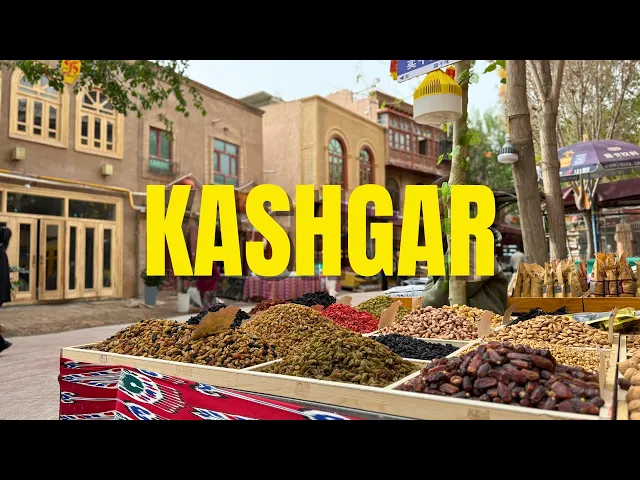
Wilko Wanders travels along the Silk Road into Kashgar Old Town, exploring the Abka Hoja Tomb and the central Id Kah Mosque, with time spent in the market streets and a traditional tea house. He reflects on the architecture that blends mud-brick heritage with brick reconstruction after the 2008 earthquake, and how the mosque anchors daily life for the local Uyghur community. He tastes local treats like naan and sachima, samples saffron in spice shops, and observes the crafts street where hats and traditional garments are sold. The visit to the tea house captures the intimate, slow-travel vibe he champions, inviting viewers to experience the place beyond headlines. Wilko emphasizes that the experience here is relaxed and welcoming, countering Western media narratives, and he ends by inviting viewers to follow his Silk Road journey to Arumi, hoping to deepen understanding through on-site cultural exchange.
FAQs (From the traveler's perspective)
- Q: Is Kashgar Old Town open to visitors today?
- A: Yes, Wilko shows it as a welcoming place where tourists can walk the streets, visit the mosque, and sample local foods while respecting local culture.